This article is part of MPI’s new eBook, “5 Trends Impacting Every Event Pro in 2026,” which includes industry expert insights on AI, creativity, inclusion, sustainability and wellness. Check it out now!
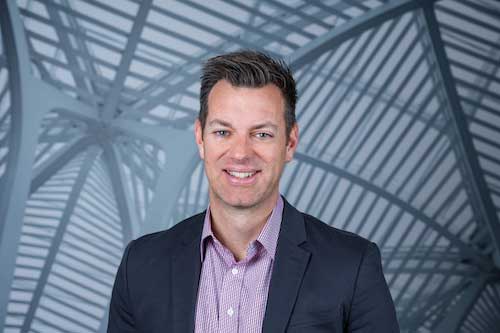
Loren Christie had more than 25 years of tourism and hospitality experience, including 17 years with Starwood Hotels & Resorts and several years at Destination Toronto, before taking the helm as managing director at BestCities Global Alliance. I recently spoke with him following his IMEX America sessions “Going global? What factors are affecting international meetings?” and “When the host becomes the headline: Navigating an era of geopolitical uncertainty.”
Tell us about the BestCities Global Alliance and how the group works with meeting planners.
BestCities is a group of 13 DMOs from around the world, started 25 years ago, who collaborate amongst themselves and with our community of clients to help ensure the positive impact of business events. It’s a lead and knowledge-sharing alliance. So, in the international association world, an organization might want to move around in a rotation. If they’re in Melbourne, then we can help move them to Vancouver and then help move them to Copenhagen or Cape Town. We are geographically placed strategically so that we can work together to collaborate. And if we can work on things like positive impact, legacy and sustainability, then that’s even better.
The geopolitical landscape is probably more complicated than ever. How does that directly impact meetings and events?
It affects meetings and events in many ways.
If you have something on the books right now there can be apprehension, fear among delegates or employers if you’re looking at a corporate event. “Am I safe to travel?” “What can I expect when it comes to visas and entry requirements?” There’s been a lot of that focus on the United States lately with the different rules, policies and procedures coming in from the Trump administration, but it’s certainly not just there. There’s a lot of anxiety in the world right now. And in the future, if you’re doing a site selection thing, it may prevent you from saying, “I really don’t want to go to this destination/region or I really don’t want to worry about having to travel all over the place.”
Today’s meeting environment is changing. The risk calculation is becoming ever more important. There’s financial, operational and strategic risk. There’s safety and inclusivity for your participants, making sure they feel physically safe, but also emotionally safe—that they are going to be welcomed. There are a lot of things to juggle as a meeting planner and it’s getting even harder. A DMO that can work with you to build that trust and build that safety and make your life easier and take away some of those pain points is the one that is going to win. That’s why, more than ever, DMOs are becoming really important from that trust level, that partnership level.
Can you talk about some technological, environmental and political trends planners should be paying attention to?
From a technological point of view, get on the AI bandwagon big time. Start embracing the different tools that are out there. It could be as simple as using it as a platform for translation. We don’t know what we don’t know, so just assume you don’t know and start learning it, and don’t get left behind. A lot of our destinations are really embracing AI and trying to learn what they don't know.
From an environmental perspective, sustainability isn’t a trend anymore—it’s becoming table stakes. A 2023 PCMA survey showed that 31% of planners included sustainability in their RFPs, and that jumped to 60% in 2024. It’s not the No. 1 reason someone chooses a destination, but it’s starting to become something that they should have. Destinations that are doing an amazing job at it help meeting planners reach sustainability goals without it being too arduous.
From a political perspective, people are making a point of saying how welcoming they are, how stable their government is, how easy it is to get visas. Instead of being negative about some destinations that aren’t doing it well, they’re overemphasizing the positivity of their destination—saying it without saying it and not being combative. If you’re picking a destination in the United States and diversity is important to you, then pick a diverse city—Washington, D.C., for example, has incredible diversity. It’s not just about, “Do I fit in this venue?” it’s more about, “What does this do for me going to this destination? What’s the message that it projects? What is it going to do for my meeting in terms of successful diversity and inclusion?”
What skill or mindset are important for meeting planners looking to take their events international?
You need to have a global perspective. Listen to what else is going on in the world. And you need to keep the “you don’t know what you don’t know” attitude. There’s so much that is constantly changing in every area of the world, and you need to understand cultural nuances, political changes and directives—such as those related to the environment or AI in Europe. You need to be open to working with different cultures and what that feels like and embrace the sense of place. If you’re not ready to embrace the sense of place, maybe an international meeting isn’t for you.